
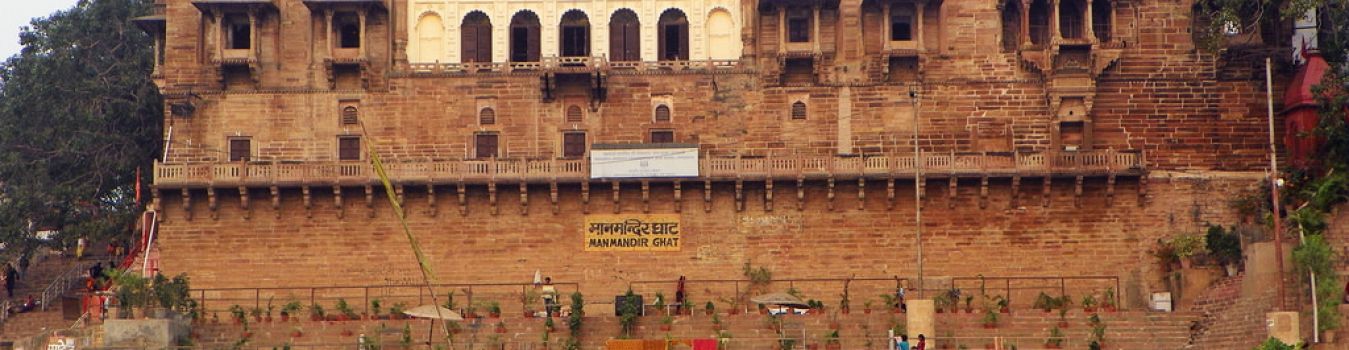
Deep Dive: Man Mandir Ghat
Man Mandir Ghat is an architectural marvel that showcases the scientific brilliance of ancient India. Built by Maharaja Man Singh of Amer in 1600, the palace atop the ghat is famous for its ornate stone-carved windows and majestic balconies.
However, its most unique feature is the Jantar Mantar observatory on the roof, constructed by Sawai Jai Singh II in 1710. This observatory contains massive masonry instruments used to measure time, track celestial bodies, and predict eclipses with remarkable accuracy. It offers a fascinating glimpse into the intersection of royal luxury and astronomical science.
Expert Insights for Your Visit
Varanasi is best explored with an open heart and a slow pace. The city reveals its secrets to those who stay long enough to observe the subtle shifts in the river's light and the rhythm of the daily rituals.
We recommend pairing your visit to Man Mandir Ghat with a quiet walk through the nearby ancient ghats or a sampling of the city's legendary culinary heritage.
Curated by Hospes India
As Varanasi's leading destination management experts, we ensure that your visit to Man Mandir Ghat is authentic and seamless.
At Hospes India, we believe that travel should be transformative. From arranging priority darshan at the temples to booking luxury river cruises on the Ganges, we handle the logistics so you can focus on the experience. Let us help you discover the timeless magic of Varanasi, where every corner holds a piece of eternity.
Experience Man Mandir Ghat in Motion
Videos courtesy of YouTube. Explore more of Kashi through our curated visual guide.