
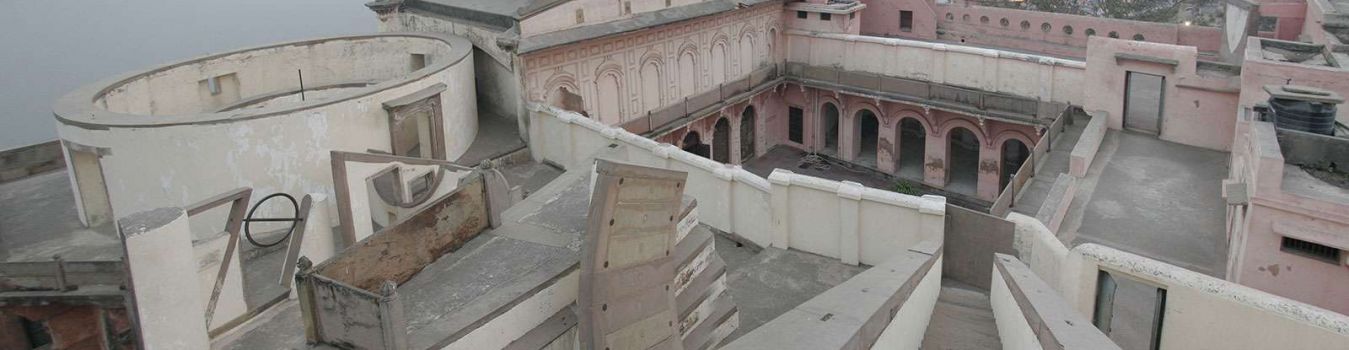
The “Jantar Mantar” observatory, constructed in 1737, is located above the ghats along the Ganges, and is adjacent to the Manmandir and Dasaswamedh Ghats and near the palace of Jai Singh II of Jaipur. While less equipped than the observatories at Jaipur and Delhi, the Jantar Mantar has a unique equatorial sundial which is functional and allows measurements to be monitored and recorded by one person.
Experience Jantar Mantar in Motion
Videos courtesy of YouTube. Explore more of Kashi through our curated visual guide.
Frequently Asked Questions
What is the best time to visit the ghat?
Sunrise and sunset are the best times to visit for the most spiritual and scenic experience. The early morning Subah-e-Banaras at Assi Ghat is highly recommended.
Can we take a boat ride from here?
Yes, boatmen are usually available at all major ghats. You can negotiate a ride to see the entire crescent of the riverfront from Assi to Rajghat.
Is it safe to bathe here?
Many devotees take a holy dip. It is advisable to use designated bathing areas with chains and be cautious of the water currents and depth.
Is photography allowed?
Yes, photography is allowed on most ghats. However, please refrain from taking photos at cremation ghats like Manikarnika and Harishchandra out of respect for grieving families.
Are there changing rooms available?
Most major ghats have basic enclosed areas or temporary structures for pilgrims to change clothes after their holy dip in the Ganges.