
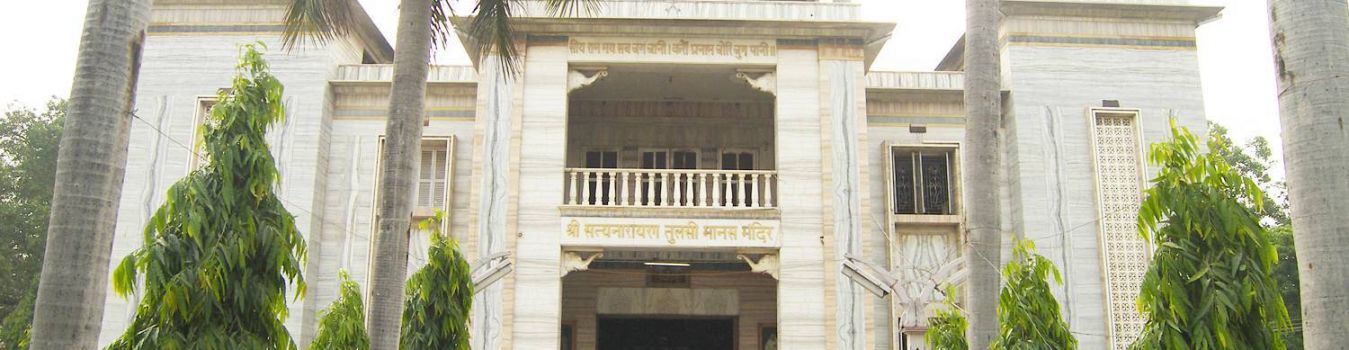
“Tulsi Manas Mandir” is one of the most famous temples in the holy city of Varanasi. This temple has great historical and cultural importance in Hinduism since the ancient Hindu epic Ramcharitmanas was originally written at this place by Hindu poet-saint, reformer and philosopher Goswami Tulsidas in the 16th century (c.1532–1623). One of the famous Hindu epics, Ramayan was originally written in Sanskrit language by Sanskrit poet Valmiki between 500 and 100 BC. Being in Sanskrit language, this epic was not accessible to and understood by masses. In the 16th century, Goswami Tulsidas wrote the Ramayan in Awadhi dialect of Hindi language and the Awadhi version was called Ramcharitmanas (meaning Lake of the deeds of Rama).In 1964, the Birla family constructed a temple at the same place where Goswami Tulsidas wrote Ramcharitmanas.
Experience Tulsi Manas Mandir in Motion
Videos courtesy of YouTube. Explore more of Kashi through our curated visual guide.
Frequently Asked Questions
What are the darshan timings for this temple?
Most temples in Varanasi open early in the morning around 4:00 AM and close by 10:00 PM. It is best to visit during the morning aarti or evening aarti.
Is there an entry fee?
No, entry to most temples in Varanasi is free. However, special pooja or expedited darshan lines at the Kashi Vishwanath Temple may have a fee.
What is the dress code?
Devotees are requested to wear modest clothing. Shoulders and knees should be covered. In some ancient temples, traditional dhotis for men and sarees for women are preferred.
Are cameras allowed inside?
Photography is generally restricted inside the inner sanctum of major temples. Please check with security at the entrance. In the Kashi Vishwanath corridor, mobile phones are strictly prohibited.
Can foreigners enter the temples?
Yes, most temples in Varanasi are open to all regardless of nationality. However, the inner sanctum of some private family temples might have restrictions.